Fact 2
We work without intermediaries, directly to Israeli hotels and transport companies. Because of this we are able to maintain low prices for our complete tours.

Business and corporate programs in Israel. Exhibitions, conferences, seminars and presentations. Incentive tours to Israel. Team building for companies. Business grade transport, hotels, showrooms, restaurants and banquet halls. Full-time online and phone support for clients.
Jerusalem, Dead Sea, Tel Aviv
4 days / 3 nights
All activities included
For groups of 10 people and more
6 days / 5 nights
Jerusalem, Tiberias, Tel Aviv
For groups of 10 people and more
6 days / 5 nights
Jerusalem, Dead Sea, Tel Aviv
For groups of 10 people and more

We work without intermediaries, directly to Israeli hotels and transport companies. Because of this we are able to maintain low prices for our complete tours.
SmarTrip Company is located right in Israel. This means that our customers can count on 24 hour support and a full service in the country.
SmarTrip Israel is working in the travel market for 7 years. During that time hundreds of guests of Israel and dozens of foreign organizations became our clients.
SmarTrip company creates and implements promising new tourism projects in Israel.
Tourism in Israel – doesn’t always mean just a rest on the beach near the sea or typical sightseeing. Smartrip offers to explore this wonderful country form all the sites. To focus your visit to Israel on what really interests you. Аnd to become surprised with the huge variety of tourism options.
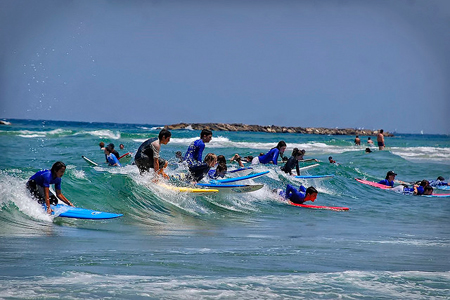
There are tourists for whom a good holiday – is a holiday at the limit of human capabilities. For those who seek adrenaline and sharp impressions, addressed our extreme tours. Diving and snorkeling on the coral reefs of the Red Sea, river rafting, rock climbing, horse riding along mountain ridges, jeep safaris, quad biking in the desert, and much more. You definetly will not be bored – Smartrip offers active tourism in all its diversity.
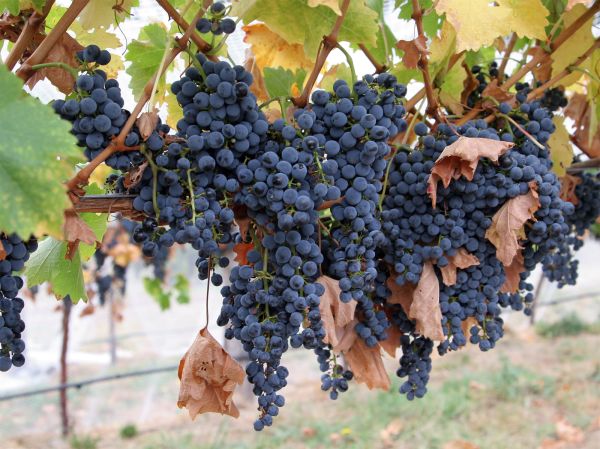
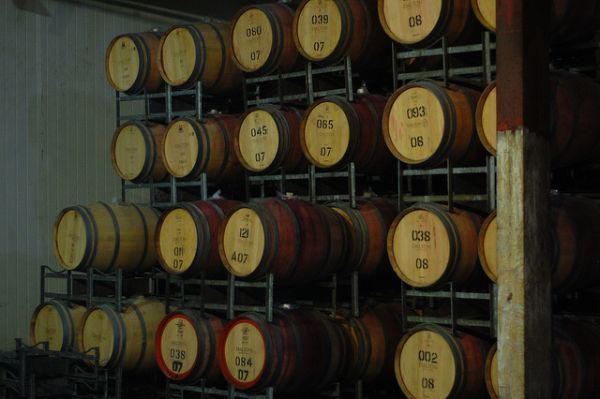
And, of course, Israel is a paradise for gourmets. The country is actively developing wine tourism, aided by more than 150 wineries and around 10,000 acres of vineyards. Among the wineries in Israel there are real giants (Golan Heights, Domaine du Castel), as well as small boutique family-owned businesses, which produce limited quantities of truly amazing drinks. By the way, wine tours to Israel – are not only to enjoy spirits, but also to learn the history of the country. Monastic vineyards, ancient cellars and the most picturesque places in the Middle East are waiting for everyone from novices to experienced connoisseurs.
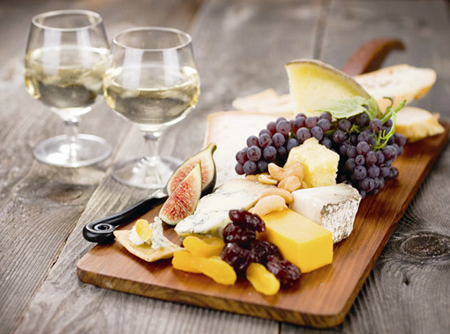
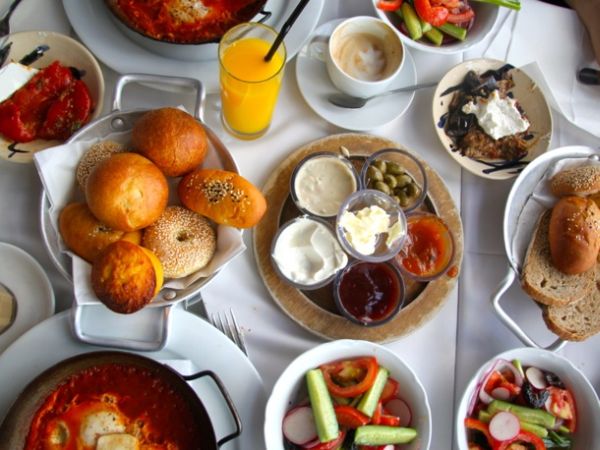
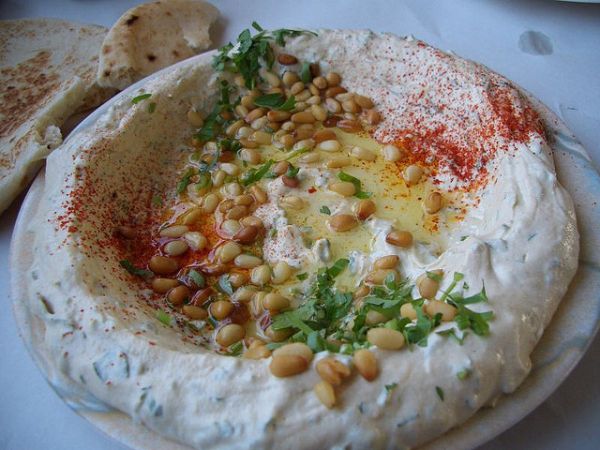
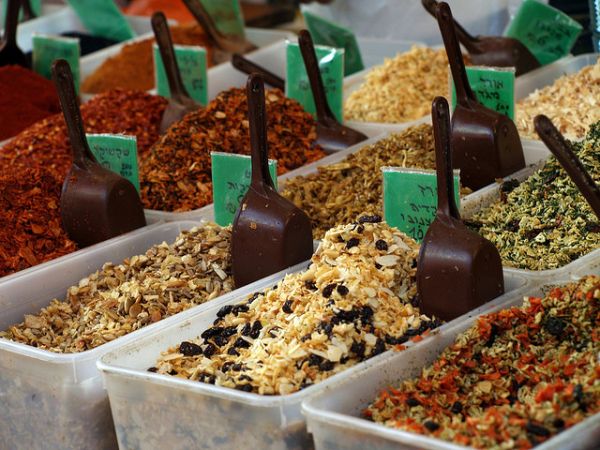
Finally, a very special experience you can get – is the gastronomic tourism in Israel. Wine, for example, is believed to be served with cheese – and local dairies offer a stunning variety of it. In general, the Israeli cuisine – is an astonishing combination of Eastern and European traditions. Great meat, fresh vegetables and fruits, fish and seafood, fresh olive oil and delightful sweets. Local chefs know how to surprise and please any gourmet. In addition, Israel has regular gastronomic fairs and exhibitions. Each of them – is a bright flavor holiday.
What’s important – these are not all the opportunities that we can offer here in Smartrip. We aim to prove that Israel is able to amuse everyone – no matter how demanding are our potential guests. So, if you want something special, unlike anything else – please contact us. We will do everything to fill your visit to Israel with unique and strictly positive experience.
Weather and climate in Israel
Jewish holidays
Weather and climate in Israel
If we talk about the tourist season in Israel, every month is suitable for recreation.
January
As a rule, this month is rainy and cool. It’s the peak of the rainy season. The average temperature in Israel in January 11 – 12 degrees Celsius, but often there are days when the air temperature reaches 18, even to 22. Therefore, considering such weather conditions in January sunbathe and swim in the sea is unlikely to succeed. But, a mild weather attract those who come to Israel for the tour, it is much nicer to see the sights of this interesting country in the soft, cool weather, but not in +40-degree weather.
February
This month belongs to the rainy season in Israel, but the air temperature is higher than in January and is +15 – +21 degrees C. The weather provides an excellent opportunity to enjoy a variety of tours that we are pleased to offer you. It can be guided tours, sightseeing, spa, tours to the holy and historical places. But, above all, in February surprises tourists ski season in Israel. Yes, yes, in February, visitors can enjoy skiing and snowboarding at the ski resort, located on Mount Hermon in the north of the country.
March
The beginning of the spring season, bringing to Israel a warm and sunny weather. Precipitation is less, rainy season ends. And in the first month of spring brave can swim in the sea, the water is gradually heated, the temperature sometimes reaches +26 +27 C.
April
In Israel April is a real summer. Air temperature from +19 to +29. This temperature difference is because the country has several climatic zones and, consequently, the temperature in the different climatic zones is different: in the north, 19, and at the same time in the south 29. Almost no precipitation. Water in April, up from 27 in the Mediterranean Sea and the Red and Dead – even higher. Since April opens the official beach season in Israel.
May
As April in Israel is typically the summer months. Air is heated to 32 C. Almost no precipitation, and water in seas up to nearly the same temperature as the air temperature – 27 in the Red Sea and the Mediterranean and the Dead 31 C. In May the most popular tours are the resort, beach tours.
June
The height of summer – the air temperature +35, and in some areas even reachs 37 – 40 C. In addition, a dry wind from the desert makes the air hot, especially hot this time of year at the Dead Sea. In June, the best form of relaxation is beach vacation. Beach season in Israel at this time in the midst of the water, temperature in the sea – does not fall below +24 – + 26 C.
July
The peak tourist season in Israel. Although the air temperature often passes for 40, the tourists come to the country to enjoy the beautiful scenery, relax on the shores of the Mediterranean and the Red Sea. They rest at the numerous beaches, equipped with everything necessary for a comfortable stay, and improve health in healing waters of the Dead Sea. July is the month that allows you to fully enjoy all the leisure activities offered by the Tourist Israel. To sultry temperatures are easier to carry, it is recommended to spend holidays at sea or in the mountains.
August
The hottest summer month. Even in the north, the air temperature 27 and at this time does not fall below. Slightly cooler than in the whole country is in the center of Israel, and the hottest weather is in the east. At this time, it is best to vacation on the coast of the sea, where you can cool off in the waters of the Red Sea, Mediterranean Sea and Galilee. Beach season in Israel lasts until October.
September
With the advent of this month the temperature in the country is not reduced, in Israel it’s a real summer. Beach season continues, yachting, hang gliding, scuba diving… In September you can swim, sunbathe, in short, the summer continues.
October
The weather in the first half of the month is almost no different from the summer. Water and air temperature is comfortable, you can swim and sunbathe on Israeli beaches. But in the second half of the month the temperature drops a bit, starts to rain. Since the second half of October, tourist beach season in Israel is almost phased out.
November
At this time in Israel rains begin. Although the weather is rainy, day temperature does not drop below 21, the water in the seas hotter – +22 – +24 C. Although officially beach season in Israel ends in October, but on the Red Sea you can safely swim and take air baths. Besides, the weather contributes to the development of other areas of tourism – pilgrimage, sightseeing, recreation. It is much nicer to see the sights, monuments and holy places with air temperature 21 than 40 C.
December
The snow in this country is very rare, although in the mountains, it falls, and even on Mount Hermon is a wonderful ski resort. But most of all in Israel in December it rains, this month is the wettest, although the temperature hardly drops below 14 C.
In short, the tourist season in Israel, subject to weather conditions, but it is a unique country where you can relax all year round by choosing something for the soul!
Jewish holidays for each month
We divided the holidays by month.
September-October:
• September 13-15, 2015 – The Jewish New Year (Rosh Hashanah) – the order for these dates must be done in a few months in advance.
• September 23, 2015 – Yom Kippur – Day of Atonement – comes almost immediately after the Jewish New Year and is a very important religious event in the life of the whole country. Does not work absolutely nothing, closed cafes, restaurants, shops and all other institutions of the country, the movement of the public and private transport stops, radio and TV stop broadcastin, much of the population to meet strict fasting, excluding from their diet even water. If a traveler agrees to share with the inhabitants of the country religious restrictions, he will see how this unusual day marks the whole country: the religious and the secular population even wears white fancy clothes and attends numerous synagogues. While the adults pray, Israeli kids from morning to evening ride bicycles, skateboards and roller skates on the streets free from traffic. You should remember that any entertainment and travel this day completely eliminated.
• September 28 – October 5, 2015 – Sukkot – Feast of Tabernacles is a fun week holiday, which ends on a joyous day of the Giving of the Torah, Simchat Torah. Across the country, almost every yard of a private home, to the modern high-rise buildings can be seen the so-called Sukkah. It’s temporary tent, built in honor of this holiday. All week, many Israelis prefer to spend time in Sukkah, even sleep there at night.
November – December:
• December 7-14, 2015 – Chanukah is a festival dedicated to the liberation of the Jewish dynasty from the yoke of the Greek Seleucid dynasty. The holiday lasts for eight days.
March – April:
• March 5, 2015 – Purim is celebrated in the early spring. It’s a Jewish holiday that commemorates the deliverance of the Jewish people in the ancient Persian Empire from destruction in the wake of a plot by Haman. It is very fun two-day festival, accompanied by a cheerful carnival. Not only all the children in the country disguised in various costumes, but also many adults.
• April 4-10, 2015 – Passover is dedicated to the Exodus from Egypt. It is forbidden to eat bread instead matzah is eaten. The central event of the holiday is the Seder (order), which is carefully regulated and consists of many elements. Passover in Israel is 7-days holiday, the first and last days are non-working. This is the period of holidays and trips abroad for the Israelis. Tourists coming to Israel from abroad. It is the most expensive tourist season of the year. All hotels and services need to be booked in advance for a few months.
• April 22, 2015 – Yom Zikaron – Day of Remembrance for Israeli Fallen Soldiers and Victims of Terrorism. Before the day begins at 20.00 local time with a one-minute siren during which most Israelis stand in silence (moment of silence), honoring the memory of those who died. The official ceremony held at the Western Wall on the Temple Mount in Jerusalem. At 11.00 am the next morning two-minute siren sounds, after which is the official commemoration ceremony and private cemeteries. These days are working days in the country.
• April 23, 2015 – Israel’s Independence Day is dedicated to the proclamation of the State of Israel in 1948. This non-working day, in the evening the whole country is lit up by numerous lengthy fireworks.
North
Caesarea.
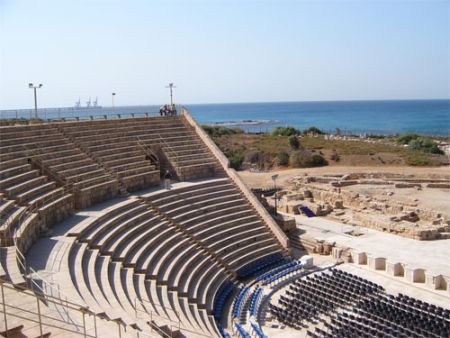
Caesarea National Park is one of Israel’s most impressive parks, housing unique buildings from various periods, bearing silent witness to the upheavals that have visited Caesarea over the past 2,300 years. Caesarea was given to King Herod as a present by Augustus Caesar and is named after him. Herod built a massive port there alongside entertainment facilities, bathhouses and temples.
The city was excavated in the 1950s and 1960s. Buildings which have been uncovered include a Roman theatre, a hippodrome, a Roman temple, city walls, castle, and a Crusader church. Also, see the moat protecting the harbor and the aqueduct from the Carmel Mountains. Caesarea also has an underworld museum, where divers can explore the ancient harbor with waterproof maps.
Acre.
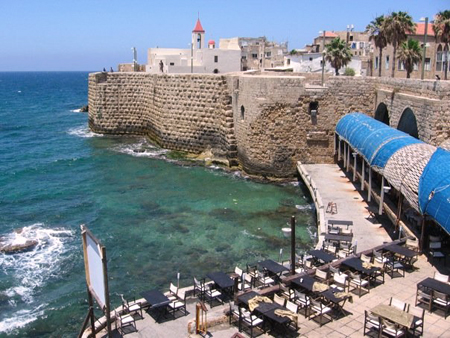
Acre is the ancient port city which is located north from Haifa. The first mention of the city dates back to the 19th century BC. It is one of the oldest continuously inhabited sites in the world. Various cultures made their home here, the Crusaders captured it and the Ottomans lived here for many centuries. Even Napoleon Bonaparte tried to lay his hands on Acre and conquer it, but after two months of siege and failed attempts to storm the city’s walls, he retreated in humiliation. You can find here Knights Halls, Templar’s tunnels, strong fortress walls which keep the memory of the former greatness of those times.
Haifa.
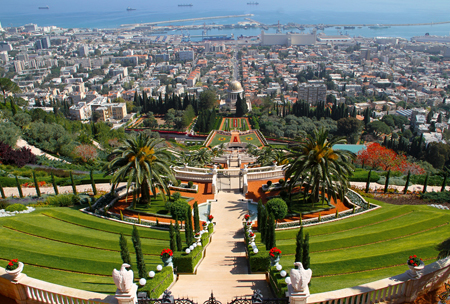
This is a port city in northern Israel. Also it is the third largest city and second largest port in Israel, which is located on the slopes of Mount Carmel. Haifa is a city with a rich history that dates back to the Roman era, the city that survived the reign of the Crusaders and the yoke of the Ottoman Empire. Haifa is the center of both traditional and non-traditional streams in religion. Bahai Temple is an unique architectural complex, which includes the Bahai Temple and Persian gardens which are striking by its beauty. Here is also a center of the Baha’i religion. The city has many interesting and unusual museums and wherever you left off in Haifa, you will see the great panorama with beauty view.
Rosh HaNikra grottoes.
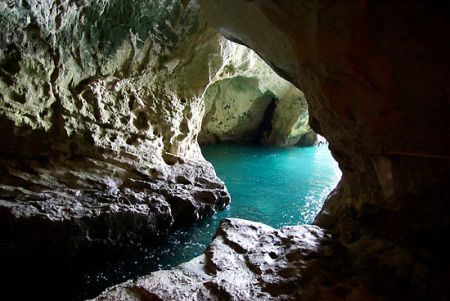
It is a geologic formation in Israel, located on the coast of the Mediterranean Sea, in the Western Galilee. It is a white chalk cliff face which opens up into spectacular grottos. The Rosh HaNikra grottos are cavernous tunnels formed by sea action on the soft chalk rock. The total length is some 200 meters. They branch off in various directions with some interconnecting segments. In the past, the only access to them was from the sea and experienced divers were the only ones capable of visiting. Today a cable car takes visitors down to see the grottos.
Banias (Caesarea Philippi).
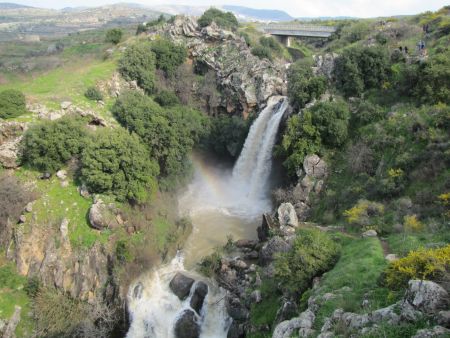
The Banias Nature Reserve contains an abundance of natural and historical beauty, from the ruins of ancient cities to the roaring Banias Waterfall – the biggest waterfall in Israel. An ancient site that developed around a spring once associated with the Greek god Pan, in the vicinity of the town of Caesarea Philippi. The spring is located at the foot of Mount Hermon, north of the Golan Heights, and constitutes one of the main sources of the Jordan River. The archaeologist have uncovered here a shrine dedicated to Pan and related deities, and the remains of an ancient city founded sometime after the conquest by Alexander the Great and inhabited all until 1967, and mentioned under the name of Caesarea Philippi by the Gospels of Matthew and Mark.
The Banias Spring emerges at the foot of Mount Hermon and flows powerfully through a canyon for 3.5 km, eventually leading to the Banias Waterfall, the most impressive cascade in Israel.
Nimrod Fortress.
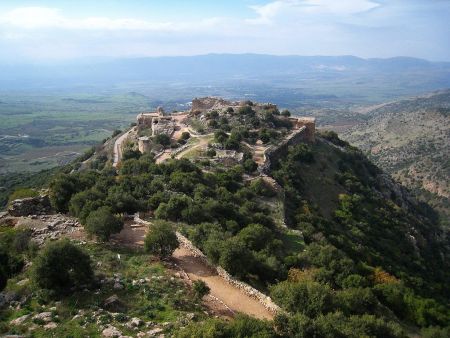
It is a medieval castle situated on the southern slopes of Mount Hermon, on a ridge rising about 800 meters above sea level. It is the biggest Crusade-era castle in all of Israel, a mountain-top stronghold spanning back to the 13th century. It overlooks the Golan Heights and was built with the purpose of guarding a major access route to Damascus against armies coming from the west. Below the fortress are the lush Banias forests with the rivers and waterfalls. The ruins of Nimrod Fortress are beautiful and well-preserved, a truly visible snapshot of history.
Beit Shean.
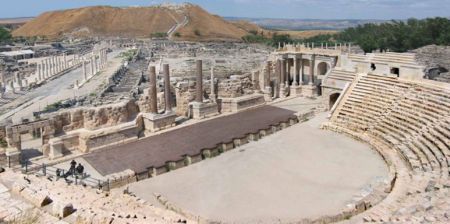
Beit Shean is a city in the North District of Israel which has played an important role historically due to its geographical location at the junction of the Jordan River Valley and Jezreel Valley. Currently, the archaeological site of the ancient city is a national park. Here you can see the ancient Greek amphitheater, colonnade, mosaics, Roman baths. Don’t miss the acclaimed Shean Nights – a unique multi-sensory multi-media experience.
Yardenit – the Baptismal Site.
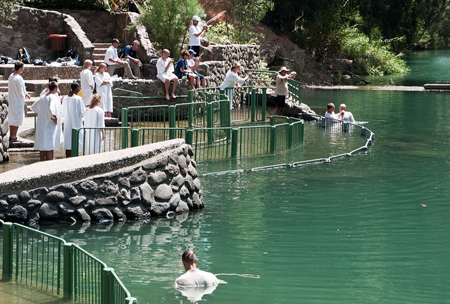
Situated on the banks of the Jordan River, flowing forth from the Sea of Galilee, the baptismal site of Yardenit welcomes over half a million tourists and pilgrims annually who come to experience the spirituality and pastoral beauty of the waters of the River Jordan, in which Jesus was baptized by John the Baptist.
The sight is well equipped: 12 separate baptismal pools, enabling different groups to comfortably conduct private worship ceremonies. You can enjoy a varied range of services: changing rooms, showers, a store where you can buy not only gifts, but also the special baptismal white robes.
Capernaum.
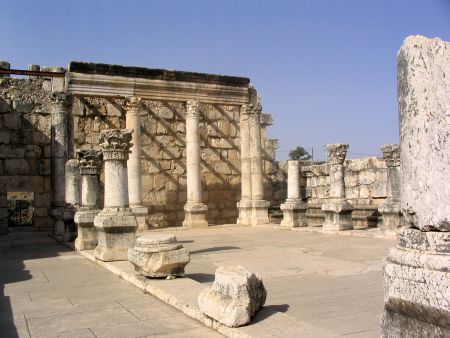
National Park “Capernaum” is located on the northern coast of the Sea of Galilee. It is a place of pilgrimage for Christians, because the main attraction of the park is the ancient synagogue, which refers to the one in which Jesus Christ preached during his stay in the Galilee. The park demonstrates archaeological finds discovered during excavations.
Here was also discovered a structure which was identified as the house of the Apostle Peter. On top of this structure a Franciscan Church was built with a glass floor which allows looking at the ancient structural remains.
Church of the Multiplication of the Loaves and Fishes. Tabgha.
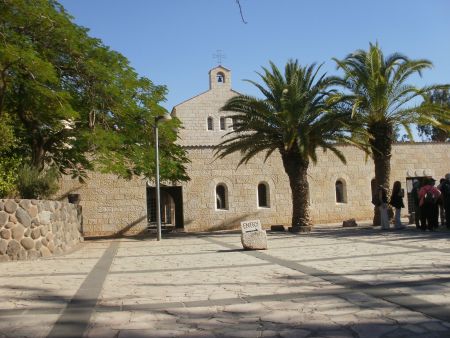
The Church is a Roman Catholic church located in Tabgha, on the northwest shore of the Sea of Galilee. The modern church rests on the site of two earlier churches.
The church is best known for Christ’s miraculous multiplication of loaves and fish. The New Testament (Mark 6:30, 44) describes how Jesus fed 5,000 people with only 5 loaves and 2 fish. Jesus and his disciples sailed out on the Sea of Galilee to “a remote place” (the location is not specified) they were seeking some tranquility and solitude but people ran ahead to meet them from the surrounding villages. When evening came Jesus, his disciples and 5,000 people who had gathered there were too far from any villages to get something to eat. So Jesus performed the miracle of dividing the food that the disciples had brought with them – five loaves and two fish – between the multitudes. The people ate until they were sated.
Nazareth.
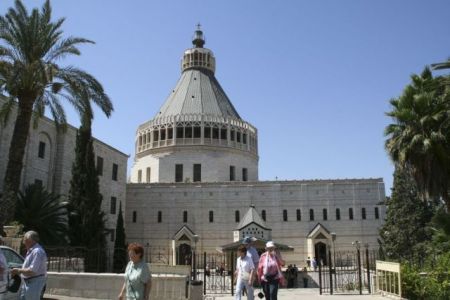
Nazareth, in the lower Galilee, is located in the heart of a valley surrounded by mountains that embrace several of the most important Christian sites in the world. Nazareth is the cradle of Christianity, the city where, according to tradition, the angel Gabriel told Mary that she would conceive by the power of the Holy Spirit, and the place where Jesus spent his childhood and youth.
The Basilica of the Annunciation is the most famous Christian site in Nazareth. It is believed to be the home of the Virgin Mary and the place where the angel Gabriel announced to Mary that she was chosen to bear the son of God. St Joseph’s Church, also known as the Church of the Nutrition and Joseph’s Workshop, is located next to the Basilica of the Annunciation. Orthodox tradition has it that the Annunciation occurred not at Mary’s house but while she was fetching water. Therefore 17th-century Orthodox St. Gabriel’s Church is built over the spring that feeds the ancient Mary’s Well.
Safed.
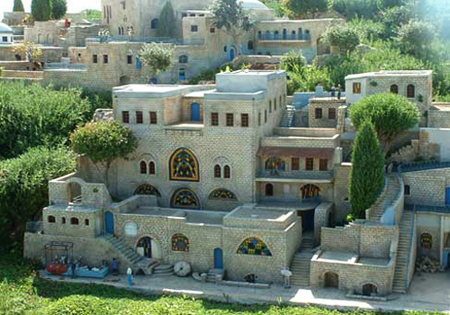
Safed is the highest city in the Galilee and in Israel. It is a rather small town located 900 meters above sea level in the mountains of the Upper Galilee, it commands magnificent views east to the Golan, north to the Hermon and Lebanon, west to Mt. Meron and the Amud Valley, and south to Tiberias and the Kinneret (Sea of Galilee).
Since the 16th century, Safed has been considered one of Judaism’s Four Holy Cities, along with Jerusalem, Hebron and Tiberias. Since that time, the city has remained a center of Kabbalah, also known as Jewish mysticism.
Main sights in Safed are historic synagogues: the famous Sephardic Synagogue of the Ari, Bana’a Synagogue, Yosef Caro Synagogue and others. There are a lot of caves near Safed. The most famous of them is the Cave of Shem and Ever. This cave is connected with the name of Shem and Ever, son and great-grandson of Noah. In the western part of the city, at the foot of the mountain, there is an ancient cemetery, where are buried the famous rabbis who lived in the XVI century: Cordovero, Alkabetz, Alsheh, Ari.
The Talmudic Village of Katsrin.
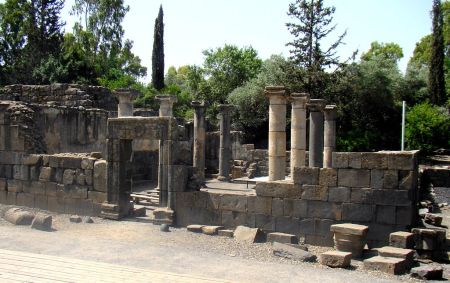
The Talmudic Village of Katsrin is an open air museum located in the Golan Heights on the outskirts of the Israeli settlement Katzrin. It features the reconstructed remains of a Talmudic-era village. A highlight is the visit to the remains of Katzrin’s stately Talmudic-era synagogue, where modern-day Bar/Bat Mitzvahs and weddings can even be arranged. By special arrangement, bread-baking, pottery-making and even olive-pressing in season can be part of the experience.
Center
Mount of Olives.
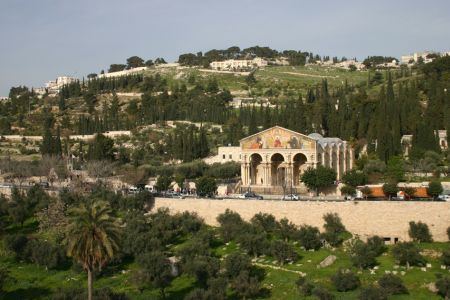
Separated from the Eastern Hill (the Temple Mount and the City of David) by the Kidron Valley, the Mount of Olives has always been an important feature in Jerusalem’s landscape. Its name came from the olive trees that once grew on its hillside from ancient times.
At the foot of the mountain, adjacent to the Church of All Nations, stand the Gardens of Gethsemane, in which one finds the golden turreted Russian Orthodox Church of Maria Magdalene. Besides the compound of churches adjacent to Mount Scopus at its north, which includes the Basilica of the Sacred Heart, the Basilica Eleona and the convent of Pater Noster, it is perhaps best known for the extensive cemetery that faces Jerusalem all along its western slopes.
Church of Mary Magdalene.
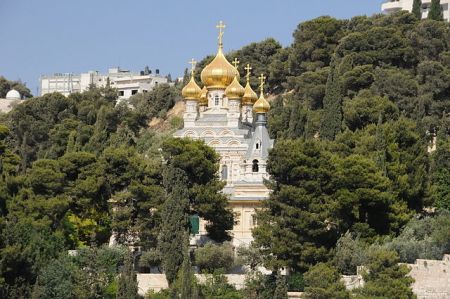
The Church of Mary Magdalene is a Russian Orthodox Church located on the Mount of Olives, near the Garden of Gethsemane and is one of the most easily recognizable landmarks of Jerusalem. This striking example of Russian architecture was built in the Muscovite style with golden onion domes or cupolas. It commemorates the enigmatic Mary from Magdala – revered as a saint by the Orthodox, Catholic, Anglican and Lutheran churches – who was one of the few persons named in the Gospels as being present at Christ’s crucifixion and who was the first recorded witness of his Resurrection.
In its convent live about 30 Russian Orthodox nuns from several different countries. While particularly known for the quality of their liturgical singing, they also paint icons, embroider vestments and items for liturgical use, and decorate Russian eggs.
Via Dolorosa.
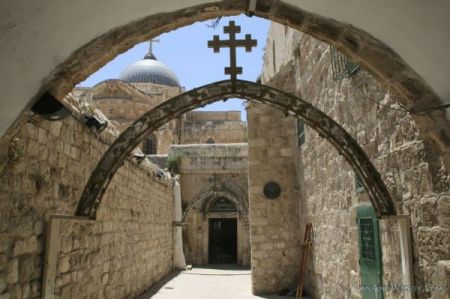
The Via Dolorosa is a street, in two parts, within the Old City of Jerusalem, held to be the path that Jesus walked, carrying his cross, on the way to his crucifixion. The winding route from the Antonia Fortress west to the Church of the Holy Sepulcher — a distance of about 600 meters — is a celebrated place of Christian pilgrimage. The current route has been established since the 18th century, replacing various earlier versions. It is today marked by nine Stations of the Cross; there have been fourteen stations since the late 15th century, with the remaining five stations being inside the Church of the Holy Sepulchre.
Church of the Holy Sepulcher.
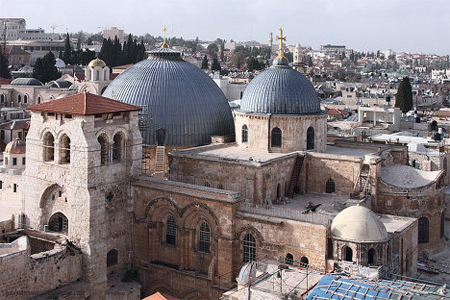
The Church of the Holy Sepulcher is a church within the Christian Quarter of the Old City of Jerusalem. The site is venerated as Calvary (Golgotha), where Jesus was crucified, and also contains the place where Jesus is said to have been buried. The church has been an important Christian pilgrimage destination since at least the 4th century as the purported site of the resurrection of Jesus.
According to Eusebius, the Roman emperor Hadrian in the 2nd century built a temple dedicated to the Roman goddess Venus in order to bury the cave in which Jesus had been buried. The first Christian Emperor, Flavius Constantinus, ordered in about 325/326 that the temple be replaced by a church. During the building of the Church, Constantine’s mother, Helena, is believed to have rediscovered the True Cross, and a tomb.
Today the Church of the Holy Sepulcher also serves as the headquarters of the Greek Orthodox Patriarch of Jerusalem, while control of the building is shared between several Christian churches and secular entities in complicated arrangements essentially unchanged for centuries. Today, the church is home to branches of Eastern Orthodoxy and Oriental Orthodoxy as well as to Roman Catholicism. Anglicans and Protestants have no permanent presence in the Church and some have regarded the Garden Tomb, elsewhere in Jerusalem, as the true place of Jesus’s crucifixion and resurrection.
The Western Wall.
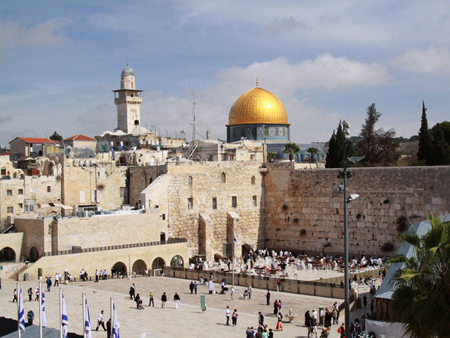
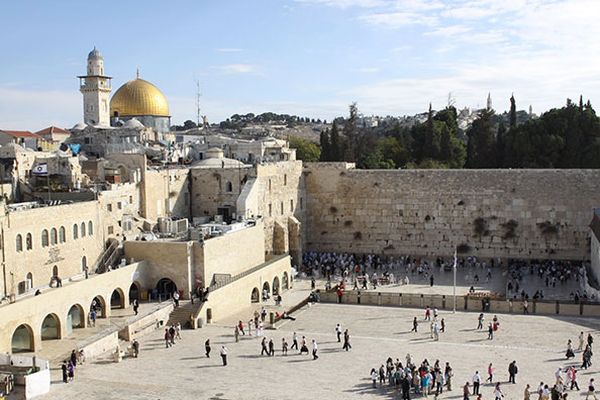
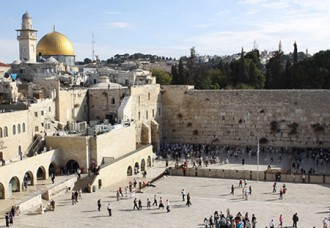
The Western Wall or is located in the Old City of Jerusalem at the foot of the western side of the Temple Mount. Parts of the wall are remnants of the ancient wall that surrounded the Jewish Temple’s courtyard, and is arguably the most sacred site recognized by the Jewish faith outside of the Temple Mount itself. Just over half the wall, including its 17 courses located below street level, dates from the end of the Second Temple period, commonly believed to have been constructed around 19 BCE by Herod the Great, but recent excavations indicate that the works were not finished during Herod’s lifetime.
The Western Wall has been a site for Jewish prayer and pilgrimage for centuries; the earliest source mentioning Jewish attachment to the site dates back to the 4th century. Today, millions of visitors come to the Western Wall every year. Thousands of Bar and Bat Mitzvah children choose to mark this special event with their families at the Wall. Soldiers serving in the Israel Defense Forces swear loyalty to their nation and homeland at the Western Wall Plaza. People from all over the world pay their respects to the Jewish people’s magnificent history by visiting this special site.
The Temple Mount.
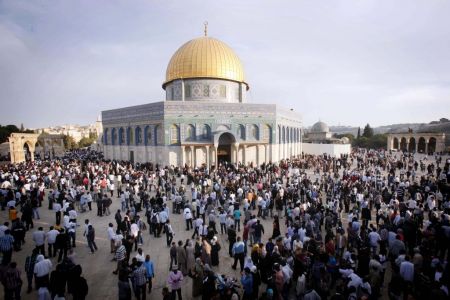
The Temple Mount is one of the most important religious sites in the Old City of Jerusalem. It has been used as a religious site for thousands of years. At least four religions are known to have used the Temple Mount: Judaism, Christianity, Roman religion, and Islam. The present site is dominated by three monumental structures from the early Umayyad period: the al-Aqsa Mosque, the Dome of the Rock and the Dome of the Chain.
Judaism regards the Temple Mount as the place where God chose the divine presence to rest; according to the rabbinic sages whose debates produced the Talmud, it was from here the world expanded into its present form and where God gathered the dust used to create the first man, Adam. The site is the location of Abraham’s binding of Isaac. According to the Bible, two Jewish Temples stood at the Temple Mount, though there is no proof for the first temple. According to the Bible the site should function as the center of all national life—a governmental, judicial and, of course, religious center. During the Second Temple period it functioned also as an economic center. Jewish tradition maintains it is here the Third and final Temple will also be built. The location is the holiest site in Judaism and is the place Jews turn towards during prayer.
The Jewish Quarter in Jerusalem.
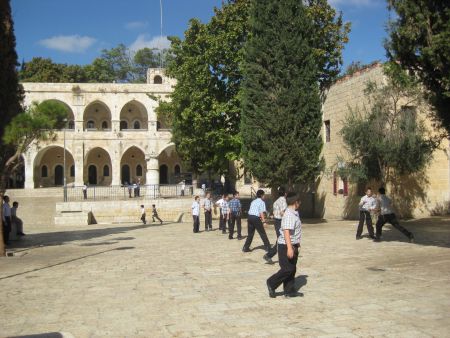
The Jewish Quarter is one of the four traditional quarters of the Old City of Jerusalem. The 116,000 square meter area lies in the southeastern sector of the walled city, and stretches from the Zion Gate in the south, along the Armenian Quarter on the west, up to the Street of the Chain in the north and extends to the Western Wall and the Temple Mount in the east.
The main attractions of the Jewish quarter:
Cardo – ancient Roman market.
Hurva Synagogue.
Broad Wall.
Burnt House.
Western Wall.
Dormition Abbey.
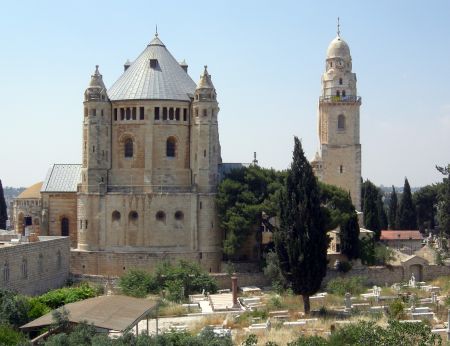
Dormition Abbey is an abbey and the name of a Benedictine community in Jerusalem on Mt. Zion just outside the walls of the Old City near the Zion Gate. It commemorates the memory of Virgin Mary, in the traditional site of her death (the name means “Eternal sleep”).
The complex was built in the beginning of the 20th century over the ruins of a Byzantine church. It is also called Hagia-Maria-Sion Abbey, named after the Byzantine church. The church today is open to the public and is a popular place for pilgrims and tourists.
The Holy Trinity Cathedral and the Russian Compound.
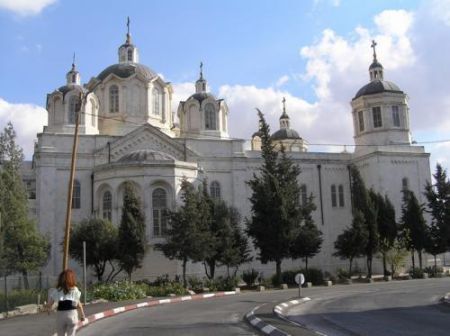
The Russian Compound is one of the oldest districts in central Jerusalem, including a large Russian Orthodox Church and several former pilgrim hostels which are used as government buildings and for the Museum of Underground Prisoners. The compound’s construction from 1860-1864 was initiated by the Imperial Orthodox Palestine Society to serve the large amounts of Russian pilgrims to the holy city.
The Holy Trinity Cathedral was built as the center of the Russian Compound with funds donated by the people of the Russian Empire. Construction began in 1860, the magnificent edifice was consecrated in 1872. The whole surface of its interior main hall and dome and two aisles is painted an inspiring celestial blue with salmon accents and numerous depictions of saints. The church has four octagonal bell towers. Over the years the bright green domes made this one of Jerusalem’s most distinctive churches.
The Israel Museum.
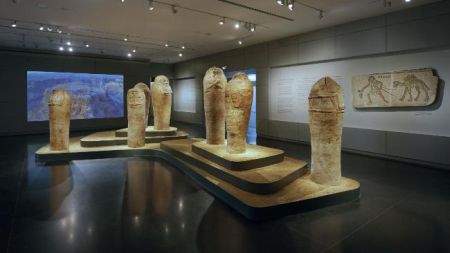
The Israel Museum was founded in 1965 as Israel’s national museum. It is situated on a hill in the Givat Ram neighborhood of Jerusalem, near the Bible Lands Museum, the Knesset, the Israeli Supreme Court, and the Hebrew University of Jerusalem. Among the unique objects on display is a carved female figurine considered the oldest artwork in the world; the interior of a 1736 synagogue from Suriname; necklaces worn by Jewish brides in Yemen; a mosaic Islamic prayer niche from 17th-century Persia; and a nail attesting to the practice of crucifixion in Jesus’ time. An urn-shaped building on the grounds of the museum, the Shrine of the Book, houses the Dead Sea Scrolls and artifacts discovered at Masada.
The Museum of Islamic Art in Jerusalem.
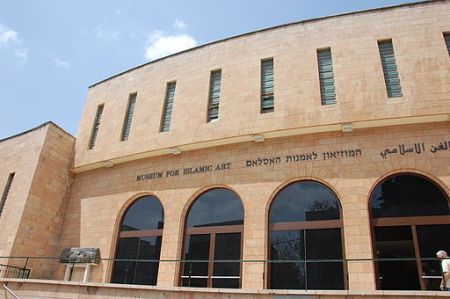
The L.A. Mayer Museum of Islamic Art is a museum in Jerusalem, Israel, established in 1974. The museum houses Islamic pottery, textiles, jewelry, ceremonial objects and other Islamic cultural artifacts. Visitors of museum are privileged to view one of the foremost collections of Islamic art and Antique Watches & Clocks – the world famous collection of watches of Sir David Salomons.
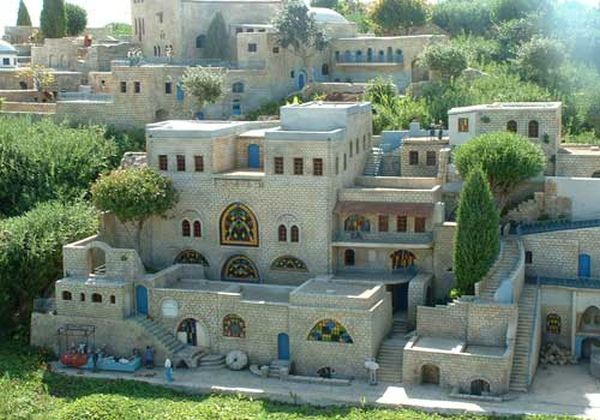
Mini Israel.
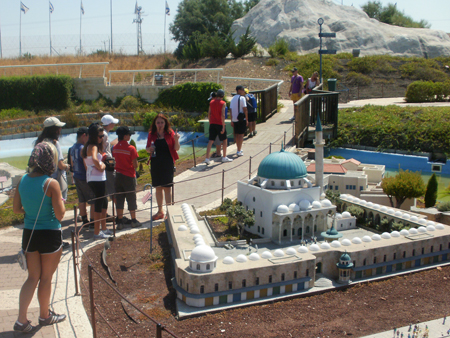
Mini Israel is a miniature park located near Latrun, Israel in the Ayalon Valley. Opened in November 2002, the site contains miniature replicas of hundreds of buildings and landmarks in Israel. The tourist attraction consists of about 350 large models of notable buildings. The scale of 1:25 produces skyscrapers that tower over an adult and historic churches taller than a child.
Yad Vashem.
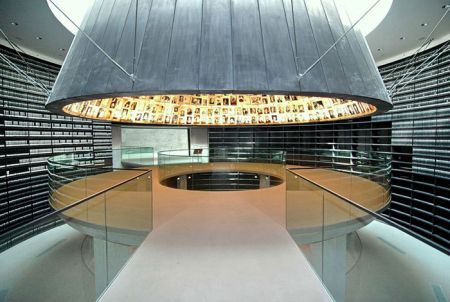
Yad Vashem is Israel’s official memorial to the victims of the Holocaust, established in 1953 through the Yad Vashem Law passed by the Knesset, Israel’s parliament. Yad Vashem is located on the western slope of Mount Herzl on the Mount of Remembrance in Jerusalem. The museum depicts the story of the Holocaust from a personal Jewish perspective. Including artifacts, testimonies, and archival material, the Museum weaves 90 personal stories into the historical narrative. Yad Vashem is the second most-visited tourist site in Israel, after the Western Wall. Its curators charge no fee for admission and welcome approximately one million visitors a year.
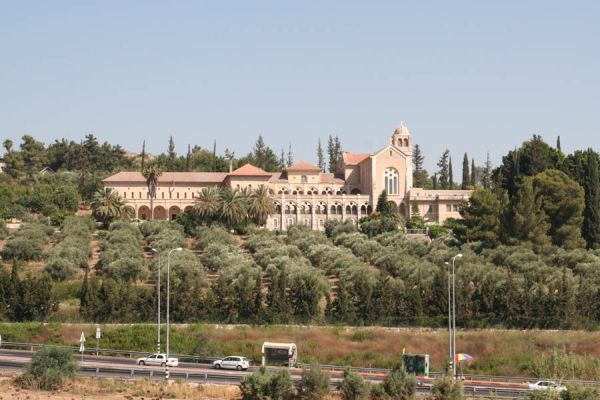
Trappist Monastery. Latrun.
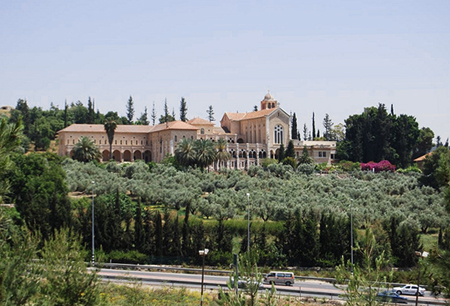
Latrun is the place of a Trappist Monastery. It is located at a strategic hilltop in the Latrun Salient in the Ayalon Valley. It overlooks the road between Tel-Aviv and Jerusalem, 25 kilometers west of Jerusalem.
The walkways of the monastery, built in the early twentieth century by French Trappist monks, charmingly frame vineyards from which they make grape juice and wine, and their church is an interesting mixture of Byzantine and Gothic styles. The monks keep a vow of silence, except for those who sell wine and olive oil to visitors.
Ein Karem.
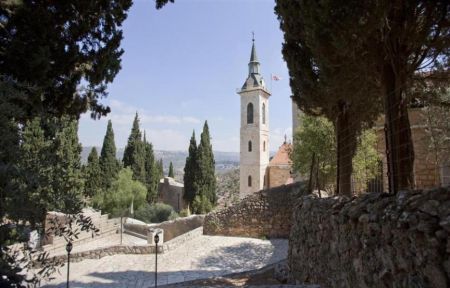
Ein Karem is an ancient village of the Jerusalem District and now a neighborhood in southwest Jerusalem. It is one of the most picturesque neighborhoods of Jerusalem.
For Christians, Ein Karem is best known as the birthplace of John the Baptist, and in fact is considered one of the top Jerusalem tour destinations for Christian pilgrims. The village is home to five churches and monasteries: The Church of St. John the Baptist (not to be confused with a church in the Old City by the same name), Visitation Church, the Notre Dame de Sion convent, the Greek Orthodox St. John convent, and the Al Moskovia Russian monastery (originally called the Gorny Monastery). Additionally, a focal point is the famous Mary’s Well, where it’s believed that Mary, miraculously pregnant with Jesus, sat and drank from its spring waters while sitting with Elizabeth, who was miraculously pregnant with John at the same time.
Church of the Nativity in Bethlehem.
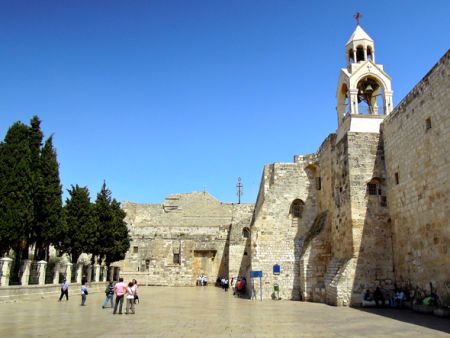
The Church of the Nativity in Bethlehem is a major Christian holy site, as it marks the traditional place of Christ’s birth. It is also one of the oldest surviving Christian churches.
The church was originally commissioned in 327 AD by Constantine and his mother Helena over the site that is still traditionally considered to be located over the cave that marks the birthplace of Jesus. The Church of the Nativity site’s original basilica was completed in 339 AD and destroyed by fire during the Samaritan Revolts in the sixth century AD. A new basilica was built 565 AD by Justinian, the Byzantine Emperor, restoring the architectural tone of the original. The site of the Church of the Nativity has had numerous additions since this second construction. The site is included in UNESCO World Heritage List.
Beit Govrin.
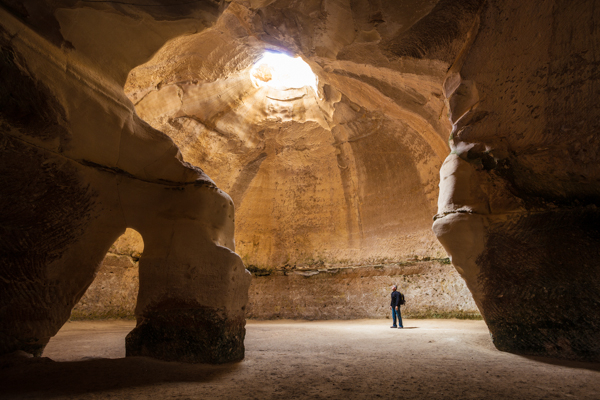
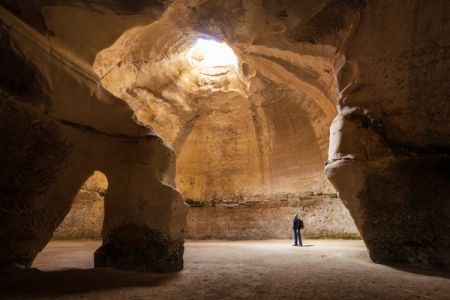
Bet Guvrin National Park encompasses approximately 5,000 dunams (1,250 acres) of rolling hills in the Judean Lowlands. The hills, 400 m above sea level, consist mainly of chalk overlaid with harder rock called nari. For thousands of years people have been cutting into the rock beneath the nari as quarries, burial caves, storerooms, industrial facilities, hideouts and dovecotes. They dug small openings into the nari, normally no more than two meters thick, and expanded the caves into the softer chalk beneath. Hundreds of such caves were dug at Bet Guvrin and its surroundings, creating subterranean networks of unparalleled complexity. Among the sites also are a Roman amphitheater and Tel Mareshah, which was fortified by Solomon’s son Rehoboam.
Soreq Cave (Avshalom Cave).
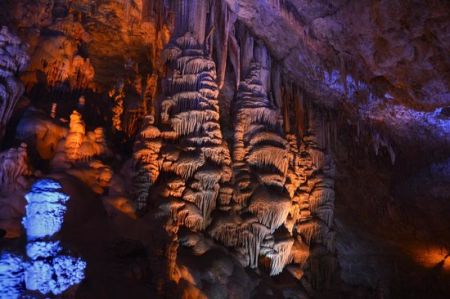
It is a 5,000 m2 cave on the western side of Mt.Ye’ela, in the Judean hills, in Israel, unique for its dense concentration of stalactites. The cave was discovered accidentally in May 1968, while quarrying with explosives, near Hartuv, 3 km east of Bet Shemesh, Israel. It is 83 m long, 60 m wide, and 15 m high. The temperature and the humidity in the cave are constant year round, and it is now open to visitors. In 2012, a new lighting system was installed to prevent the formation and growth of algae. Some of the stalactites found in the cave are four meters long, and some have been dated as 300,000 years old. Some meet stalagmites to form stone pillars.
Old City of Jaffa.
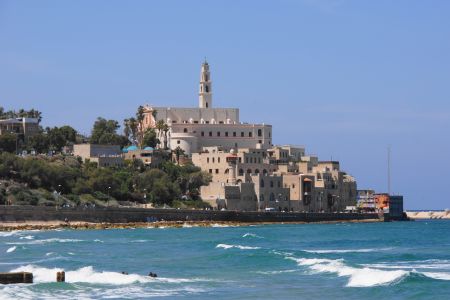
Nowadays it is the most beautiful area of Tel Aviv, which is the tourist and cultural center with a rich history. Tourist complex “Old Jaffa” includes numerous of ancient monuments, archaeological sites, religious buildings, and the large number of art galleries and shops. There is a magnificent view which is opening from the Jaffa hill.
Azrieli skyscrapers in Tel Aviv.
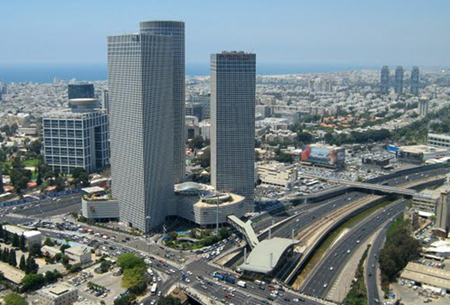
It is a well-known complex of three skyscrapers, which located in the central part of Tel Aviv. It includes the large shopping center which is located at the second and third floor of the buildings. The Round Tower is the tallest not only of these three buildings but also the tallest building in Tel Aviv ever. And it has 49 floors and a height of 187 m. At the upper floor there is an enclosed observation deck that presents a beautiful view on Tel Aviv and nearby cities. There is also a great restaurant. The triangular tower is a 169 meters high and has 46 floors. Its horizontal section is an equilateral triangle. Square tower has 42 floors and 154 meters, and it is the lowest of the three Azrieli Towers complex.
Neve Tzedek.
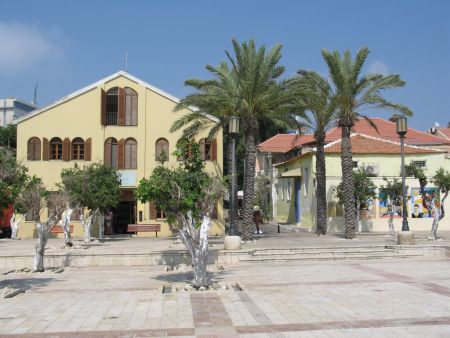
Neve Tzedek is the old quarter of Tel Aviv, was established in 1887, on the outskirts of Yaffa. Nowadays it is the one of the most beautiful areas in the southwest of Tel Aviv. There are a large number of restaurants, designer shops and galleries, as well as the house-museums of famous writers and artists.
Tel Aviv Museum of Art.
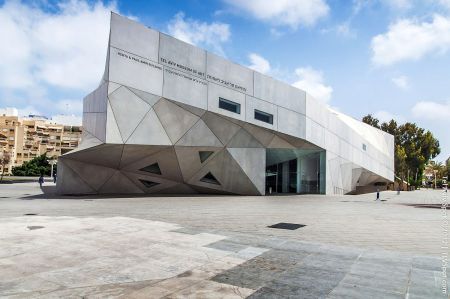
The rich collection of Classic and Modern art includes works of Israeli and foreign artists. Impressionism and Post-Impressionism, modernist style collection of masters from the 20th century, Mitzna Blumenthal. Works of C?zanne, Chagall, Dali, Monet, Henry Moore, Auguste Rodin, Archipenko, Picasso, Kandinsky and others whose works presented in the collection. Permanent and changing exhibitions, concerts and lectures of artists attract many visitors.
South
The Dead Sea.
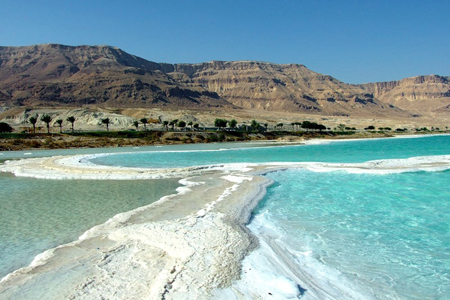
It is one of the most amazing places in the world. The high content of salts and minerals in the water creates an unusual effect of weightlessness, and relaxing. Dry air is rich in oxygen and pure from various impurities, enough hot weather (even in winter), and ultraviolet rays are a natural “filter”, allowing safe tan without burning. There are a lot of hydrogen sulfides which are rich of minerals and organic components of mud.
There are a large numbers of beautiful nature reserves with unique flora and fauna which are located in the area of the Dead Sea. Moreover there are a lot of good hotels which are fully adapted for people with disabilities. For example, entrance to the rooms adapted for wheelchair users. But this is not the end. In addition, there is a special services with a special disabled access to the beach, elevator floor to the outdoor pool, and special lifts.
Ein Gedi.
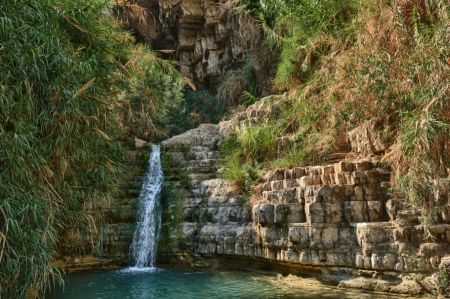
Ein Gedi is an oasis in the desert. It is situated on the shore of the Dead Sea – the lowest place on Earth – at the feet of majestic mountains and cliffs. One of the most exciting places in Israel, Ein Gedi combines a wild, natural setting with a primeval panorama, history and archaeology, tourist attractions, and spas. Its unique climate and atmosphere make it a place for a unique desert adventure.
Ein Gedi contains the historical and archaeological remains of its first inhabitants, who discovered the magic of the place more than 5,000 years ago. Ein Gedi also has an international reputation as a health spa. Tourists from all over the world come there to take advantage of the hot springs, mineral waters, and mud baths, and to enjoy the desert climate, bathe in the healing waters of the Dead Sea, and breathe healthful bromide-filled air.
Qumran.
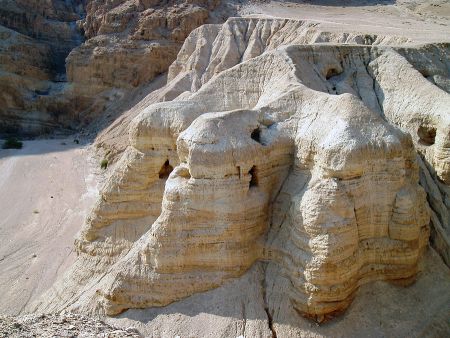
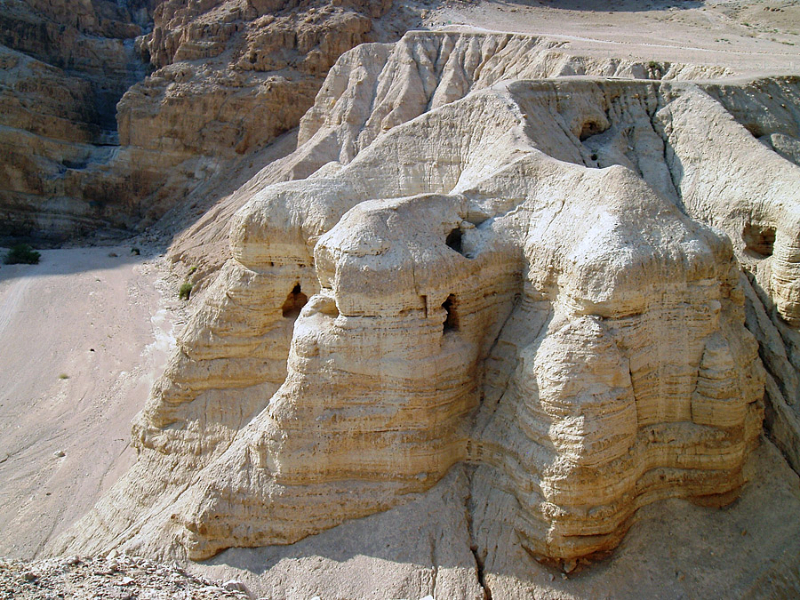
Qumran is an archaeological site, located on a dry plateau about a mile inland from the northwestern shore of the Dead Sea, near the Israeli settlement and kibbutz of Kalya. The Hellenistic period settlement was constructed during the reign of John Hyrcanus, 134-104 BCE or somewhat later, and was occupied most of the time until it was destroyed by the Romans in 68 CE or shortly after. It is best known as the settlement nearest to the caves where the Dead Sea Scrolls were hidden, caves in the sheer desert cliffs and beneath, in the marl terrace. The principal excavations at Qumran were conducted by Roland de Vaux in the 1950s, though several later campaigns at the site have been carried out.
Masada.
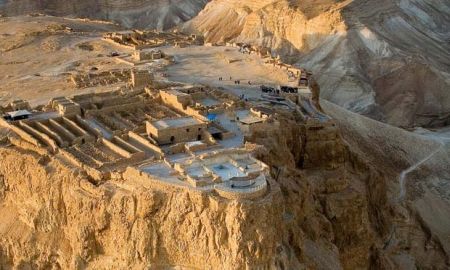
The ancient fortress built by King Herod I the Great in 25 BC on top of one of the cliffs of the Judean Desert. Fortress rises to a height of 450 meters and is located at the southern coast of the Dead Sea. The castle remained the palace of King Herod, a synagogue, fragments of mosaics, water tanks that are carved in the rocks, hot and cold baths. There is a beautiful view of the Judean Desert and the Dead Sea from the top of Masada.
Qasr el Yahud.
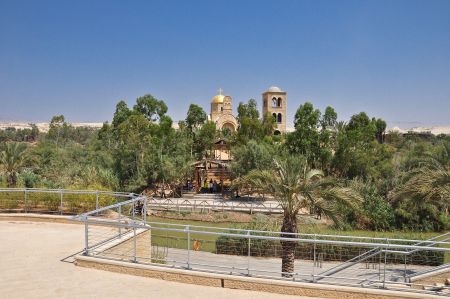
Qasr el Yahud is a baptism site in the Jordan River Valley in the West Bank. It is the traditional spot where the New Testament narrative of the baptism of Jesus took place (Matthew 3:13-17). The site includes marble steps that descend into the Jordan River as well as ruins of Byzantine and Crusader churches. It reopened in 2010 after being closed for 44 years.
Jericho.
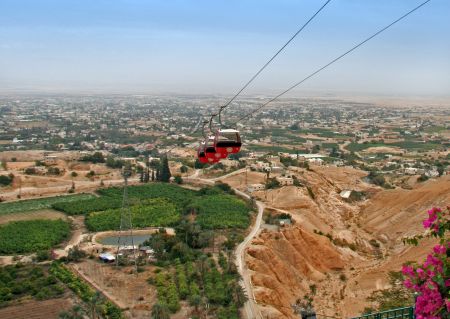
Jericho is a green oasis in the Jordan Valley which lies 7 km west of the River Jordan, 10 Km north of the Dead Sea and 30 Km east of Jerusalem. It lies 250 meters below sea level and thus it is considered to be the lowest city in the world. Jericho is one of the oldest city in the world. The ruins of the oldest civilization discovered in Jericho are 10,000 years old. There are a lot of important and beautiful historical places to visit in Jericho, such as Old Jericho, River Jordan where Jesus Christ was baptized, Mount of Temptation, Hisham Palace, Ein Al-Sultan (Elisha) spring, Sycamore tree, Monastery of Saint George (Wadi Kelt), Hasmoneans (Herod) Palace, Monastery of Dier hajlah, Kumran Caves, Dead Sea, and a lot more.
Timna.
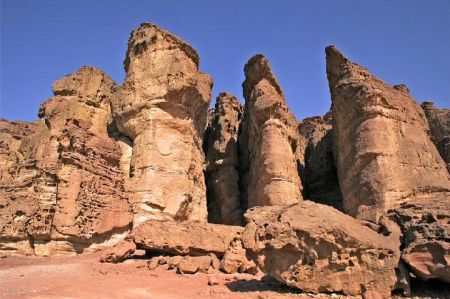
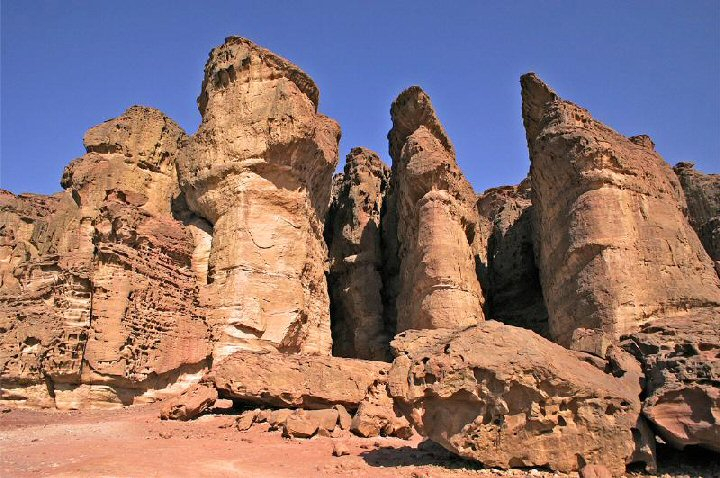
National Park located 25 kilometers north of Eilat. The first settlements appeared in Timna already in the Neolithic period, due to easily accessible deposits of copper. Mining and processing of copper continuously held in the valley from ancient times to the Middle Ages. Timna Park covers about 15,000 acres in a horseshoe-shaped valley surrounded by steep cliffs, with Mount Timna, the world’s first ever copper mine, standing tall in the center.
Timna Park attractions:
Solomon pillars.
The Valley of Rock Drawings
Hurvat Timna – Egyptian settlement period XIV – XI centuries. BC.
Hathor Temple, dedicated to the Egyptian Goddess of Mining.
The Mushroom.
The Arches.
Pink Canyon.
Lake Timna.




SmarTrip Company is located right in Israel. This means that our customers can count on 24 hour support and a full service in the country.